Sign Language for Elementary Music Lessons: Music Skills Practice
Use simple sign language in elementary music lessons to help all students…
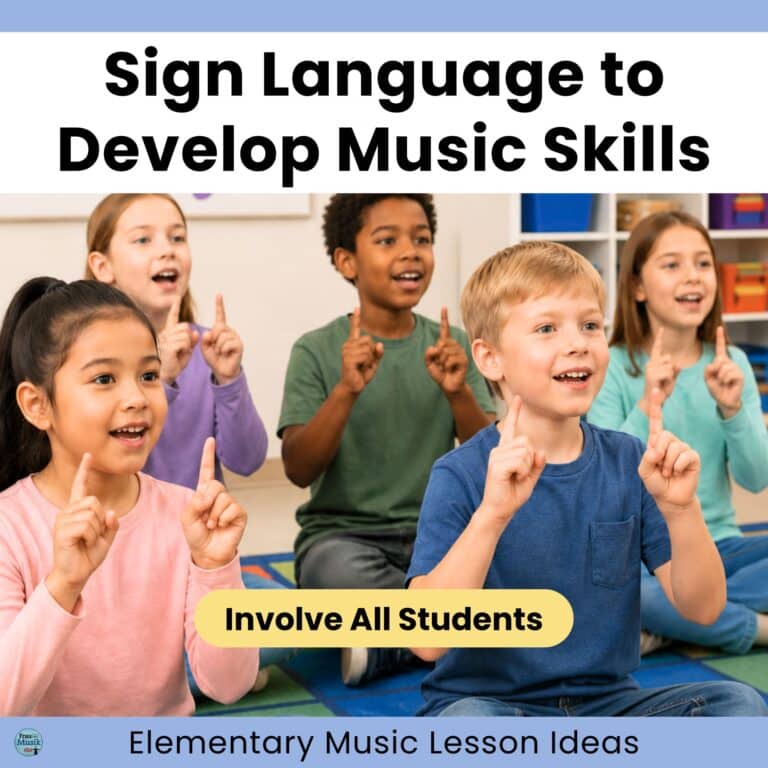
Use simple sign language in elementary music lessons to help all students…
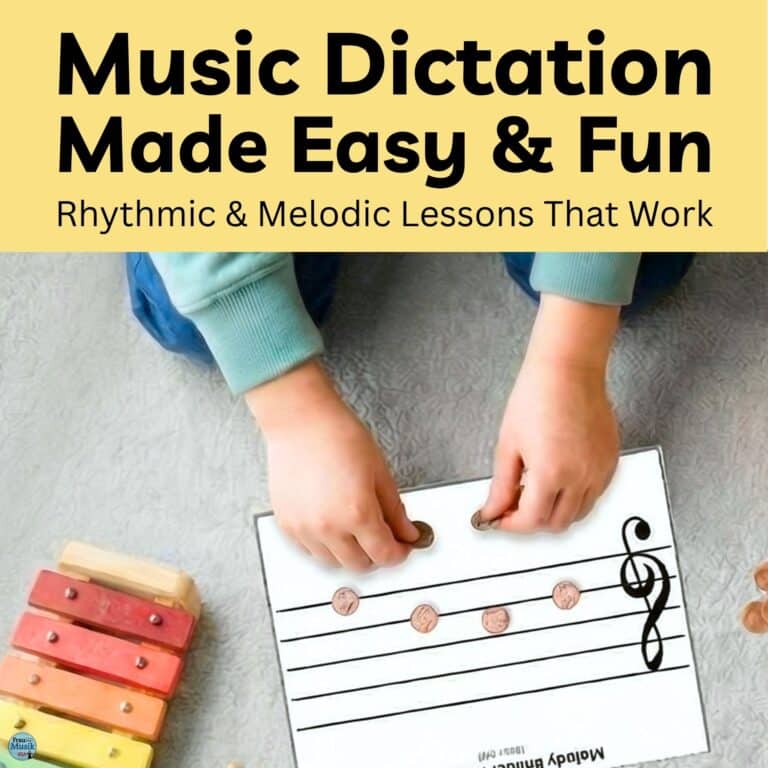
Rhythmic and melodic dictation activities for elementary music using manipulatives and Boom…

Looking for elementary music sub plans? These no-prep activities for grades K-5…

Using Story Songs in elementary music, kindergarten, and Grade 1 classrooms to…

Whether you’re an elementary music teacher, a homeschooling parent, or manage a music studio, Boom Cards online music games are the perfect addition to your teaching repertoire. Boom Cards are a valuable supplemental tool that challenges and motivates your students as they develop and assess the music skills they need to become life-long musicians.
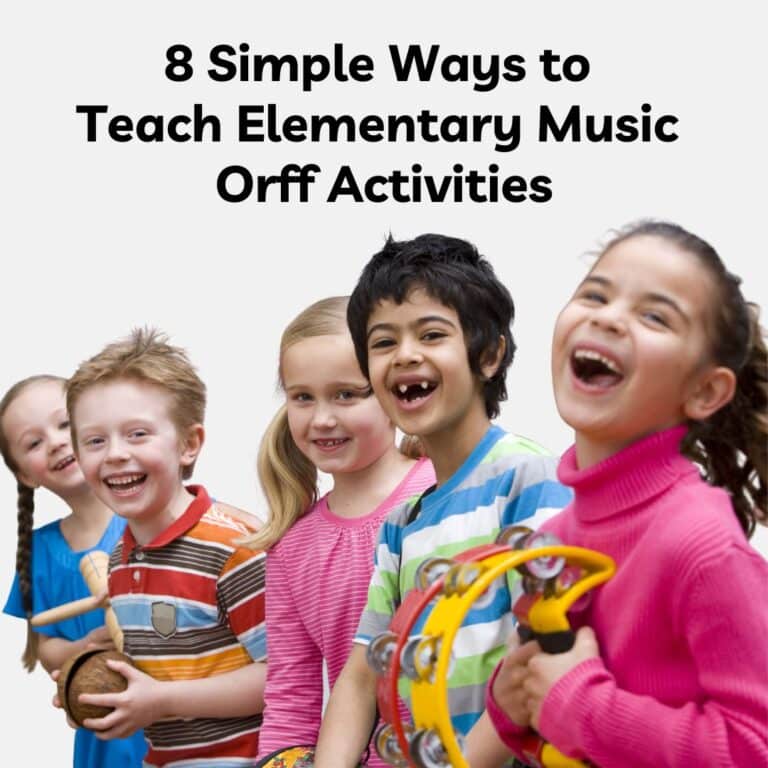
Orff music activities for elementary students are designed to help children develop their musical skills through fun and engaging lessons.
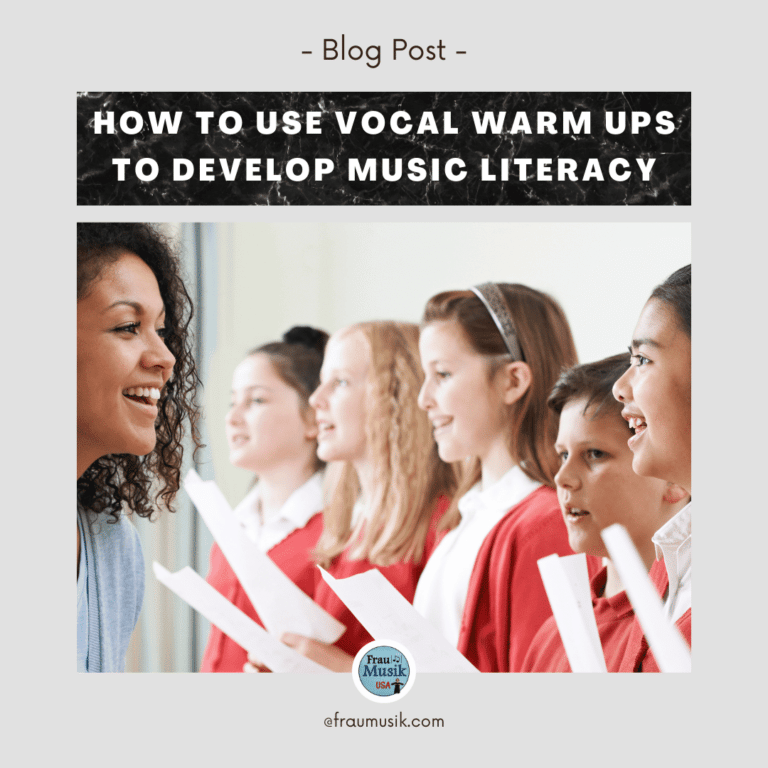
Sneak more music literacy activities into your classes with these tips and ideas to develop music literacy using vocal warm ups.
Sign up for my email newsletter to get free music reading lessons, ideas, tips, activities, & resources for your elementary music classes.
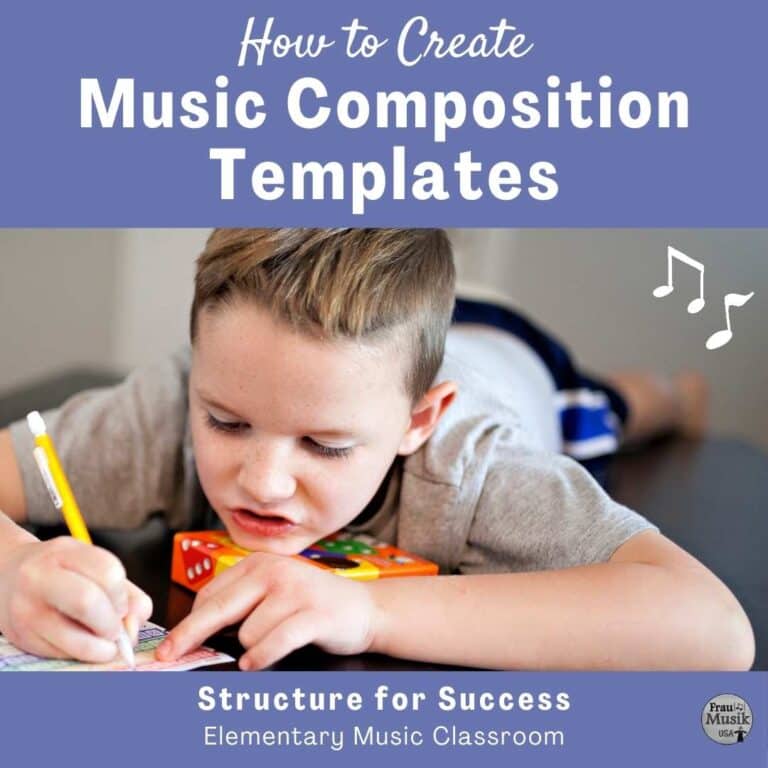
Using music composition templates for elementary students provides structure and success. Templates may be digital, printable, or use manipulatives.

You can increase music advocacy by developing music literacy in the elementary music classroom. See how you can implement these strategies at your school.
8 Reasons to Use Camp Songs in the Elementary Music Classroom
Provide a positive musical experience and encourage the appreciation of music by balancing and integrating learning with high energy camp songs and games.
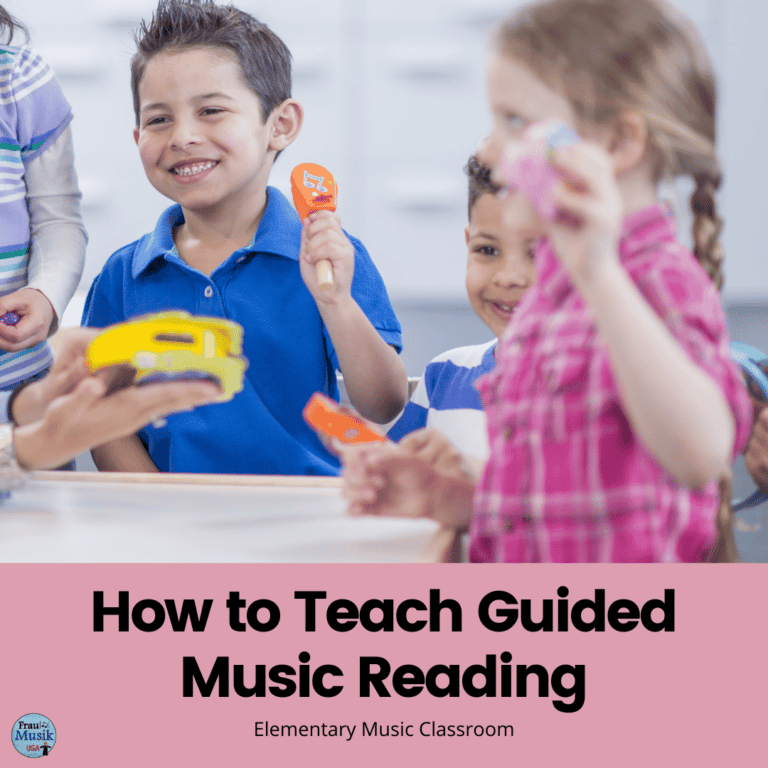
Guided music reading helps students develop a systematic method of reading music. By embedding directions into lessons, busy teachers never miss a step.
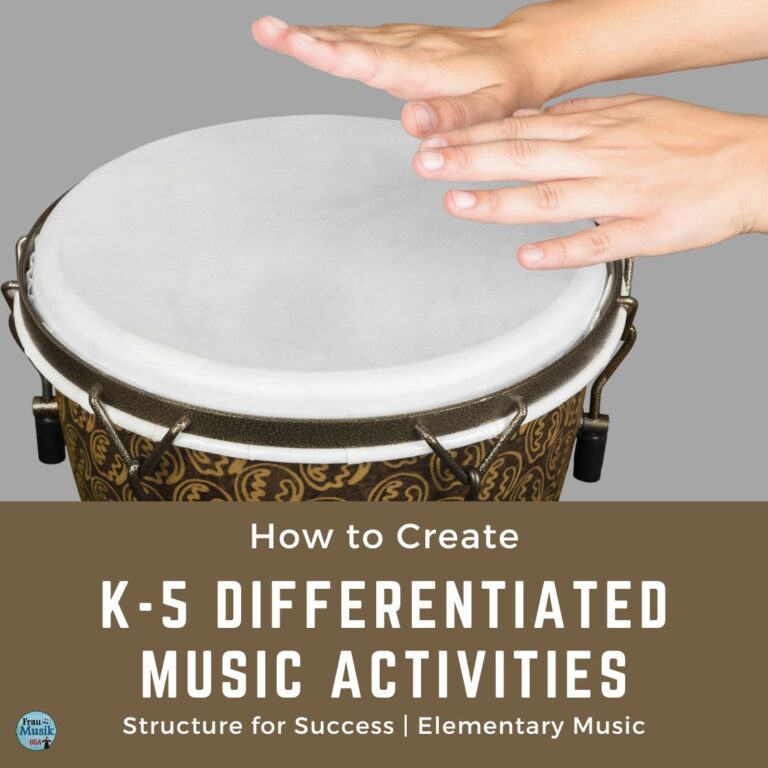
Children of different ages are not maturationally ready for the same activities, so HOW do you create music activities for grades K-5? Check out these ideas and activities.
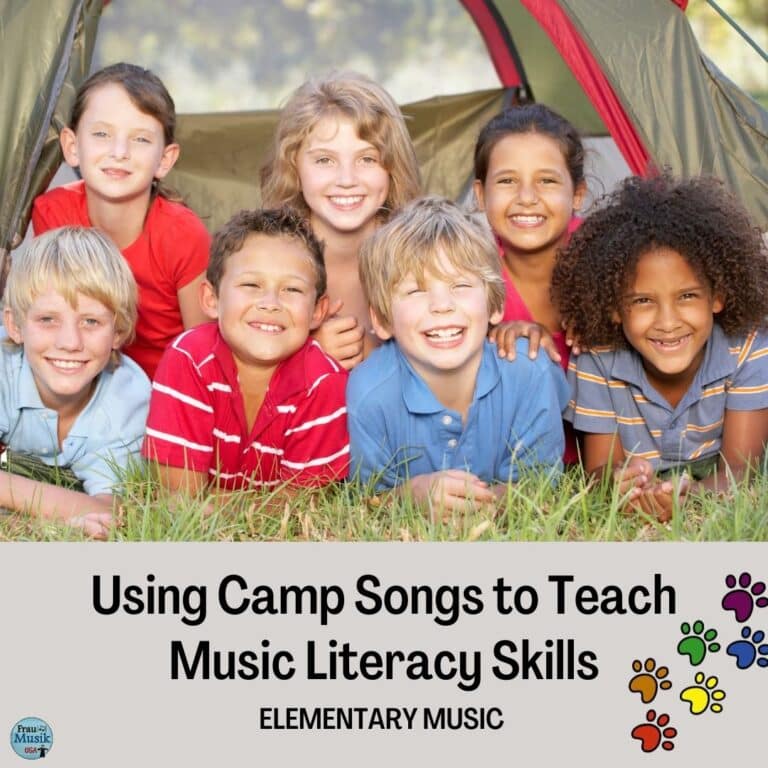
Traditional camp songs can be a valuable addition to your elementary music class. See these fun ways to actively engage your students.
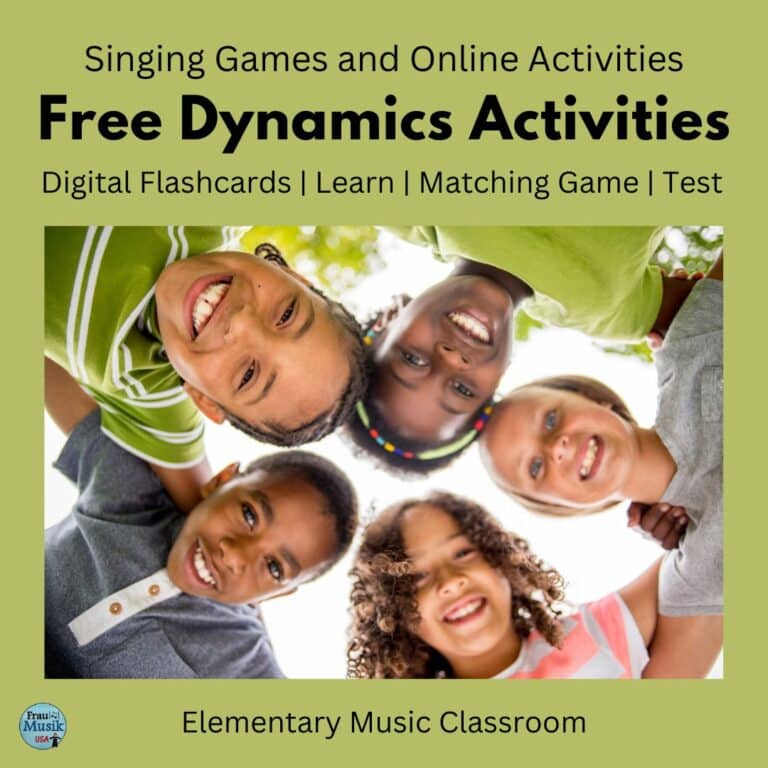
Young musicians have a lot to learn when it comes to learning the language of music. As music teachers, we need to make the learning process as fun and easy as possible.
Assessment in elementary music should be authentic, quick, valid, reliable and FUN! Integrate assessment into music activities while building music literacy.
You can talk less & teach more music.With these tips, you can be a more effective teacher, enjoy teaching more & your students will learn more too.

Teaching improvisation in elementary music doesn’t have to be hard for teachers or scary for students. These hints make it a fun process for all.
Homework in elementary music classes? Yes, but not traditional homework. Sharing what students learned extends learning at home & builds music advocacy.
Time is precious in elementary music classes. It is important to integrate music reading into every lesson using an efficient, systematic strategy.