Rhythmic and Melodic Dictation in Elementary Music Classes
Rhythmic and melodic dictation activities for elementary music using manipulatives and Boom Cards to build strong music literacy skills.
Some of the links on this site are affiliate links. If you click on a link and make a purchase, I may earn a small commission at no cost to you.
Teaching students to hear, understand, and write music doesn’t have to be complicated.
With a few simple activities and hands-on materials, rhythmic and melodic dictation can become one of the most effective parts of your elementary music lessons.
This post focuses on real classroom activities you can use right away, using both manipulatives and digital tools like Boom Cards to build strong music literacy skills.
What Is Music Dictation?
Music dictation is simply this:
Students hear a pattern → think about it → show or write it.
That’s it.
When done regularly, dictation helps students:
- Connect sound to notation.
- Strengthen rhythm and pitch reading.
- Become more independent musicians.
Start Simple (This Is the Key)
Before jumping into activities, keep these factors in mind:
- Use familiar rhythms and pitch sets.
- Keep patterns short (4 beats or 2-3 pitches).
- Model first, then let students try.
Success builds confidence.
Rhythmic Dictation Activities (With Manipulatives)
1. Build the Rhythm (Hands-On Activities)
Materials:
- Rhythm blocks (ta, ti-ti, rest) and templates, OR,
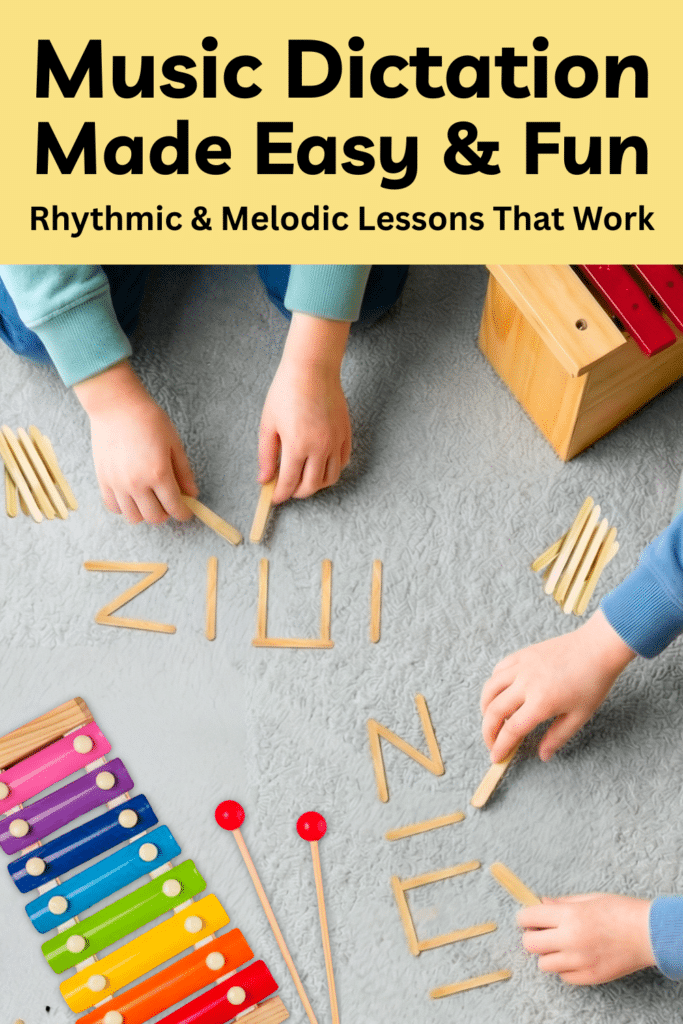
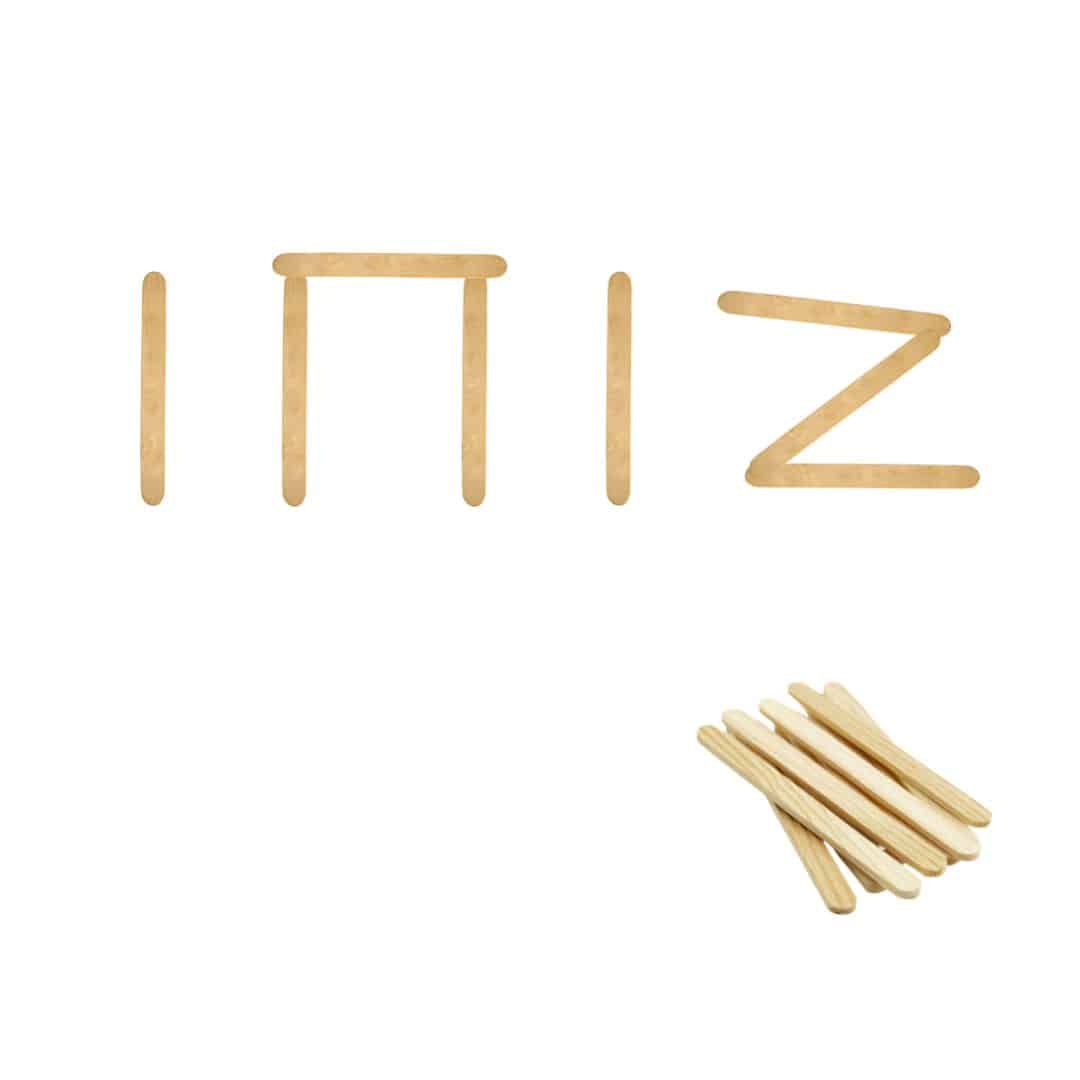
- Popsicle sticks.
How it works:
- Clap or play a short rhythm.
- Students echo it.
- Students build the rhythm using block or sticks.
- Repeat pattern while students “point and check” their answers.
- Reveal the correct answer.

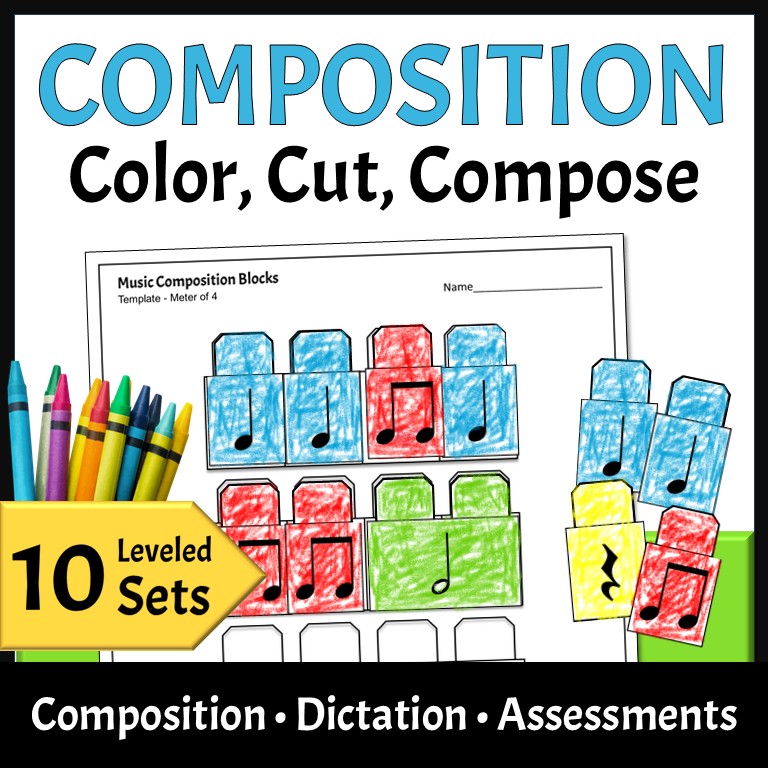
Need Simple Printable Manipulatives?
These printable templates ensure student success while teaching note values and meter. Ten differentiated sets provide simple activities for early elementary grades while challenging upper elementary students.
Just color, cut, and compose!
2. Mystery Rhythm
Materials:
- 3–4 rhythm patterns displayed.
How it works:
- Perform one rhythm pattern.
- Students listen and identify the correct pattern.
Easy differentiation:
- Younger students: 2 choices.
- Older students: 4+ choices.
3. Rhythm Dictation on the Floor
Materials:
- Beat boxes taped onto the floor.
- Rhythm cards or beanbags.
How it Works:
- Perform a rhythm.
- Invite students to place cards or bean bags in the beat boxes.
- Class checks by clapping together.
This works well for whole-group engagement.
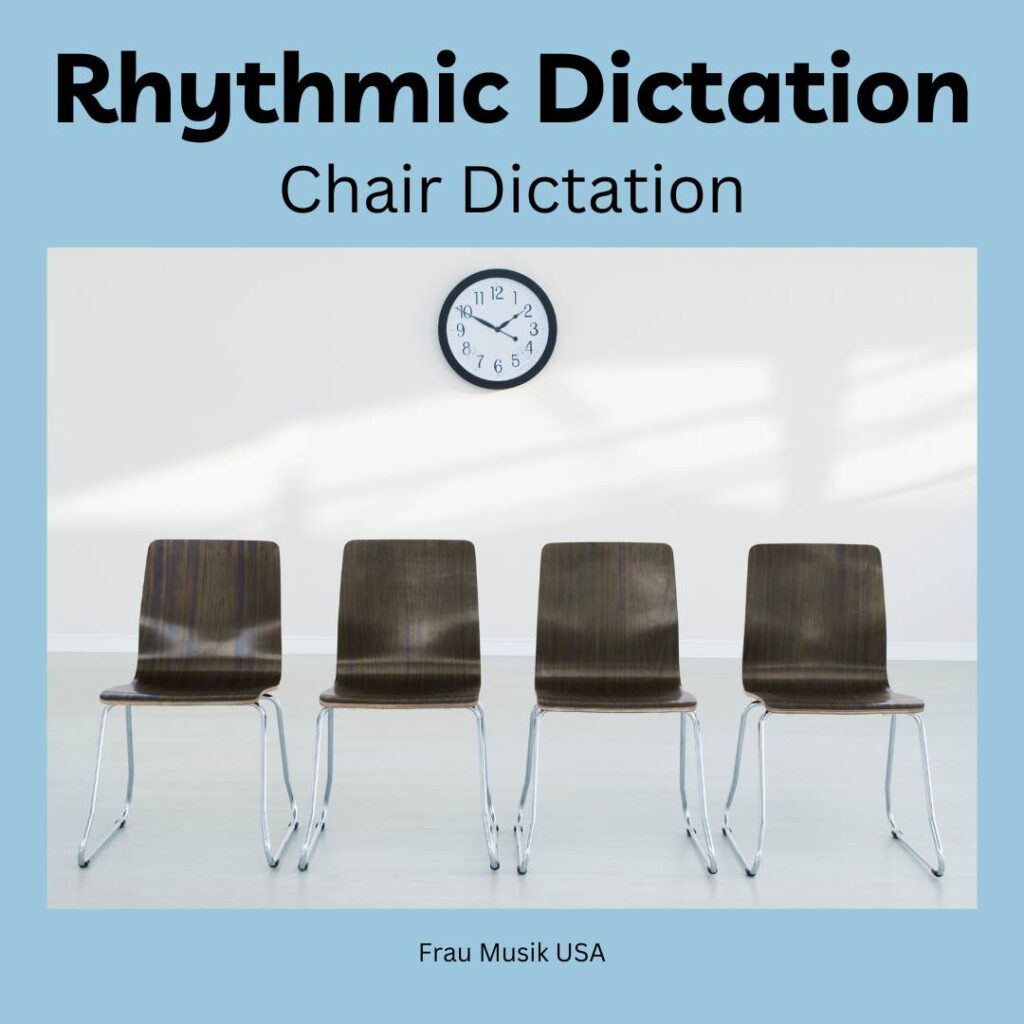
4. Chair Dictation
Materials:
- 4 Chairs.
How it Works:
- Perform a rhythm.
- Invite students to build the rhythm by sitting in the chairs.
- 1 Student per chair = ta.
- 2 Students per chair = ti-ti.
- 0 Students per chair = rest.
Chair dictation is a student favorite!
Melodic Dictation Activities (With Manipulatives)
1. Solfege Build-It
Materials:
- Blank treble clef staff.
- Markers (pennies or Bingo Chips).
How it Works:
- Sing a short pattern.
- Students echo with hand signs.
- Students build the pattern using treble clef staff. and markers.
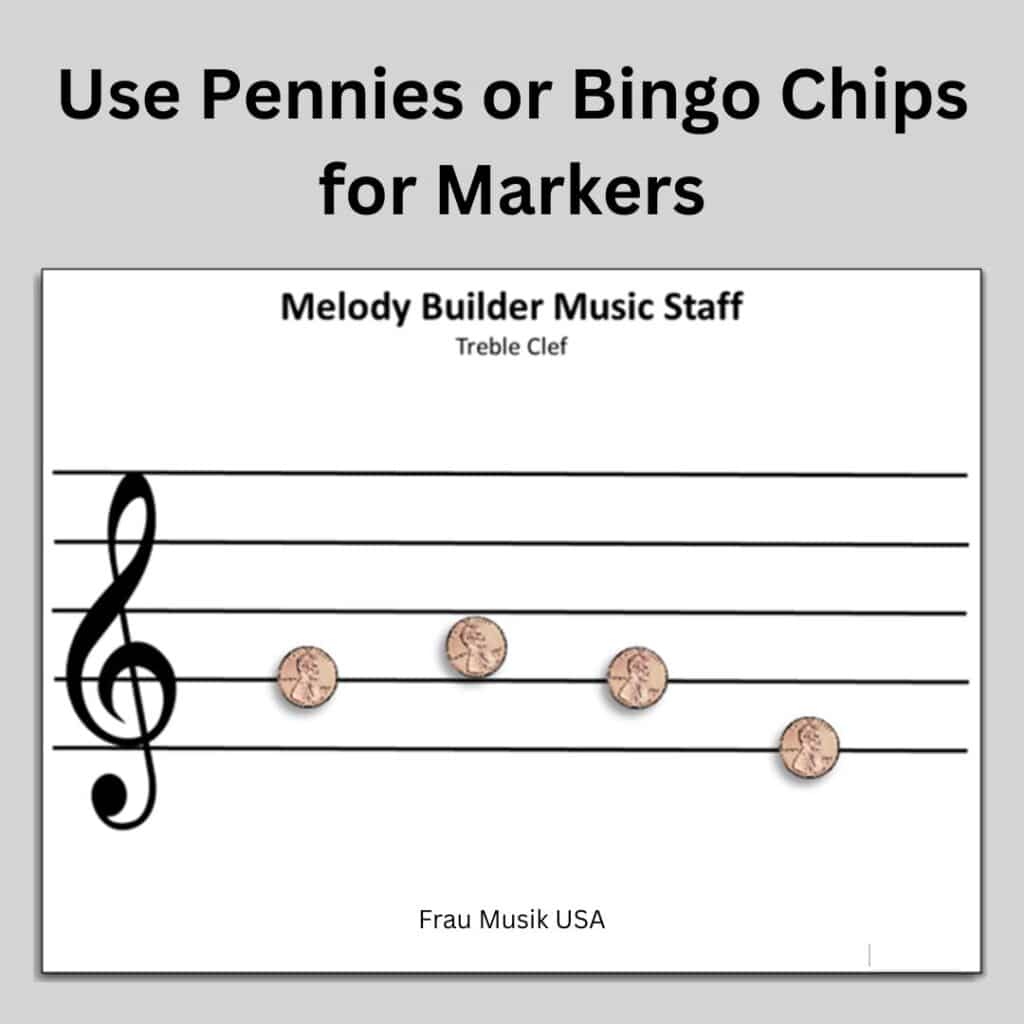
💡 Start with a limited pitch set: So-Mi, La-So-Mi, or Do-Re-Mi.
2. Floor Staff Dictation
Materials:
- Floor staff taped onto the floor.
- Beanbags or markers.
How it Works:
- Sing a pattern.
- Students place bean bags or markers on the correct lines/spaces.
- Sing patterns together to check.
3. Xylophone Dictation
Materials:
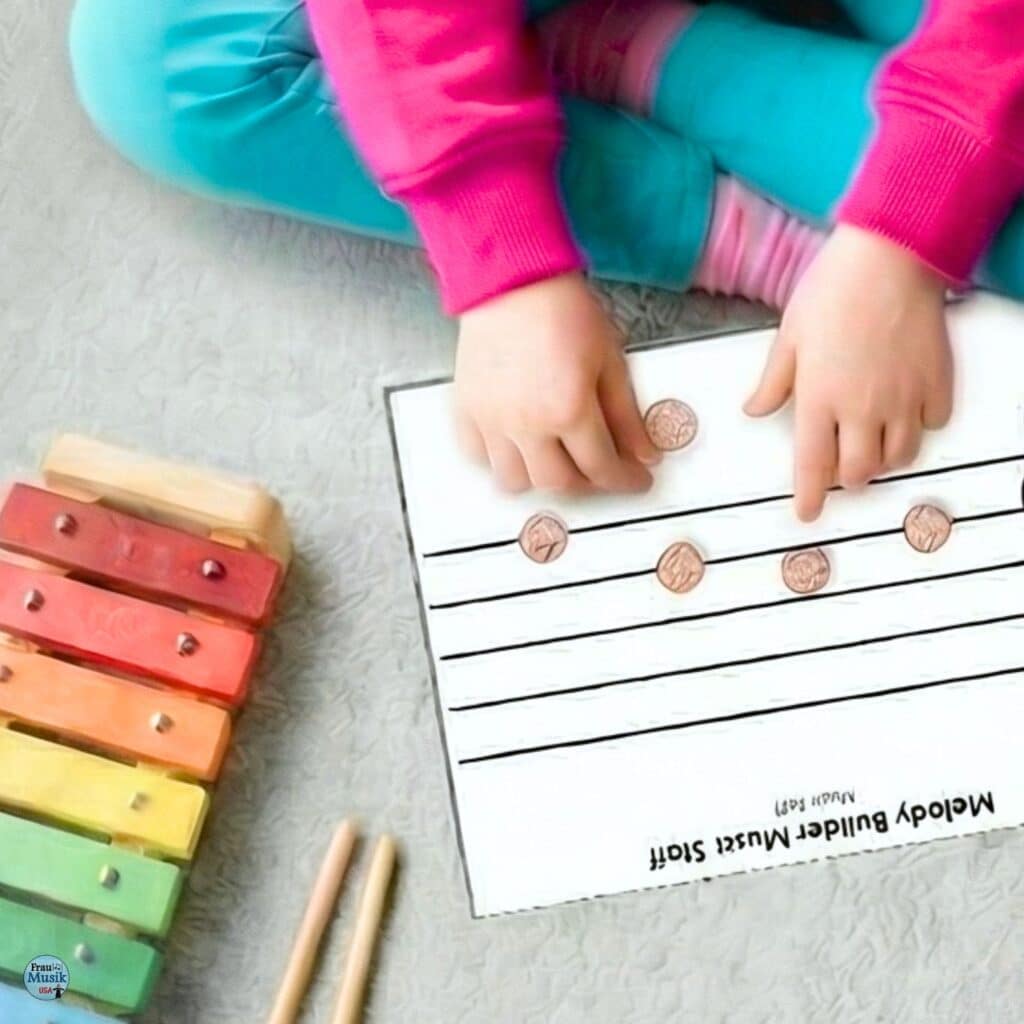
- Orff instruments (xylophones, metallophones, or glockenspiels).
How it Works:
- Play or sing a short pattern.
- Students find it on their instruments.
- Then they build it with manipulatives or notate it on paper.
This connects hearing → playing → writing.
Use Boom Cards for Dictation Practice
Hands-on learning is powerful. Boom Cards provide a digital “hands-on” activity without the prep of gathering and creating manipulatives.
Easy Ways to Use Music Dictation Boom Cards
- Project and solve together as a class.
- Use in small group centers.
Why They Work
- Immediate feedback helps students self-correct.
- Students can work at their own pace.
- Patterns can be sequenced for skill building.

Blend Hands-On and Digital Learning
The most effective lessons combine both:
Try this sequence:
- Display Boom Cards on whiteboard.
- Students build it with manipulatives.
- Class checks together with Boom Cards.
This keeps learning interactive for all students and reinforces understanding.
Simple Tips That Make Dictation Work
- Keep it short and consistent.
- Use the same routine each time.
- Start easy and build slowly.
- Help students succeed often.
A few minutes of dictation in each lesson can make a big difference over time.
Looking for More Ideas?
If you want more ways to use digital tools in your lessons, take a look at:
👉 Innovative Ways to Use Boom Cards in Elementary Music
Final Thought
Students don’t learn to read music by just singing songs and doing worksheets.
They learn by:
- Hearing it.
- Singing it.
- Playing it.
- Writing it.
Keep it simple, keep it consistent, and those skills will grow.
You might also like:
- Elementary Music Literacy and Performance (Grades K–5)
- Innovative Ways to Use Boom Cards in Elementary Music
- Teaching Music in Elementary Grades – Guided Rhythm Reading
- How to Facilitate Orff Activities with Interactive Xylophone Templates
Meet the Author

Terri Lloyd is a former K–5 music educator with more than 30 years of experience teaching elementary music.
Her credentials include:
- Bachelor of Music
- Master of Science in Education with an elementary music focus
- Missouri State Teaching Certificate, Vocal and Instrumental Music, Grades K-12
- Kodály Certification Levels I–III
- Instructional Technology Certificate in Curriculum and Design
Through Frau Musik USA, Terri helps elementary music teachers build students’ music literacy and performance skills with practical lessons and activities grounded in real classroom experience.
She develops music curriculum resources, presents music education workshops, works as a church musician, and K–5 Sunday school teacher. Terri also performs with a local big band, pit orchestras, and at community events.