Elementary Music Literacy and Performance

(Grades K–5)

Empty elementary music classroom with colorful rug and rhythm instruments. White board says "Learning to Read Music is Fun."

Music literacy and performance skills are at the heart of elementary music classes. When students understand rhythm, pitch, and notation, they read music with confidence and make stronger musical choices as singers, players, and listeners.


This page pulls together practical teaching strategies, classroom activities, and seasonal ideas to help build music reading skills across grades K–5.

Start Here:

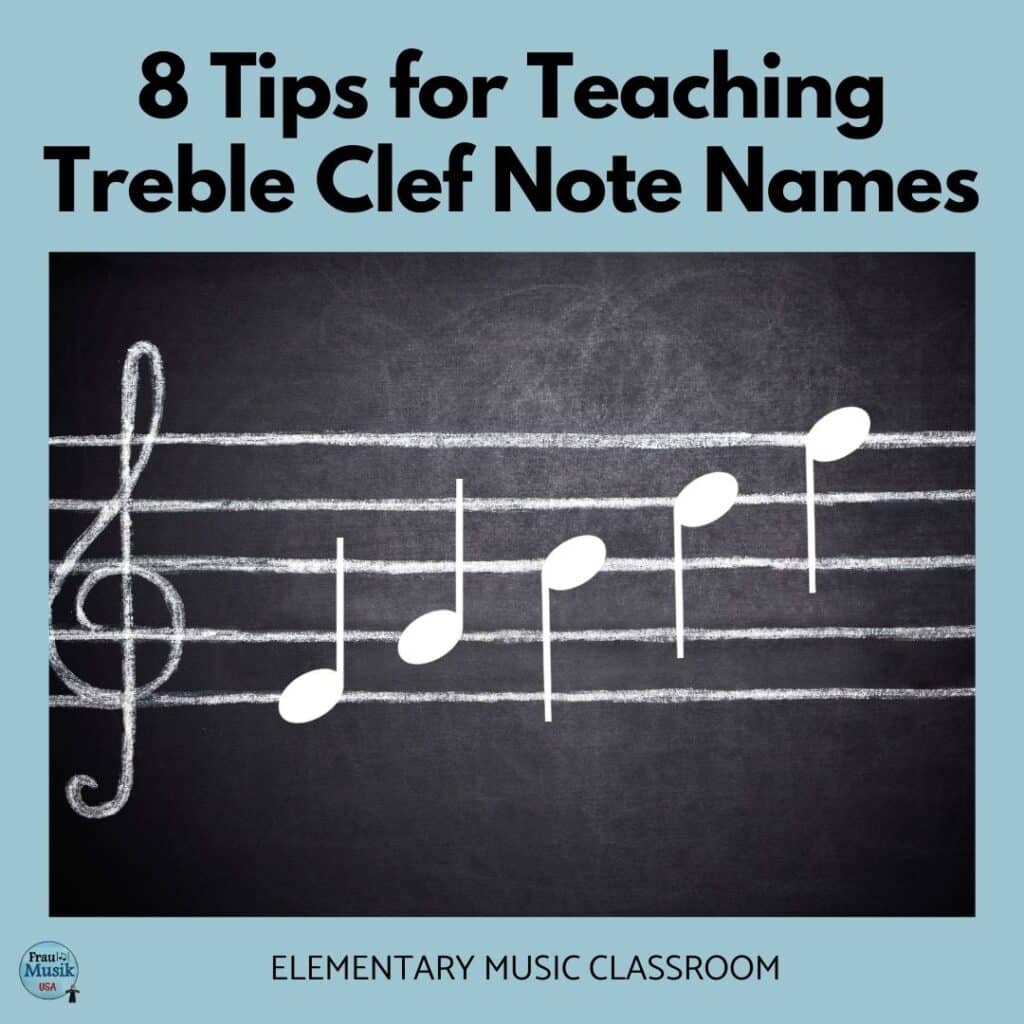
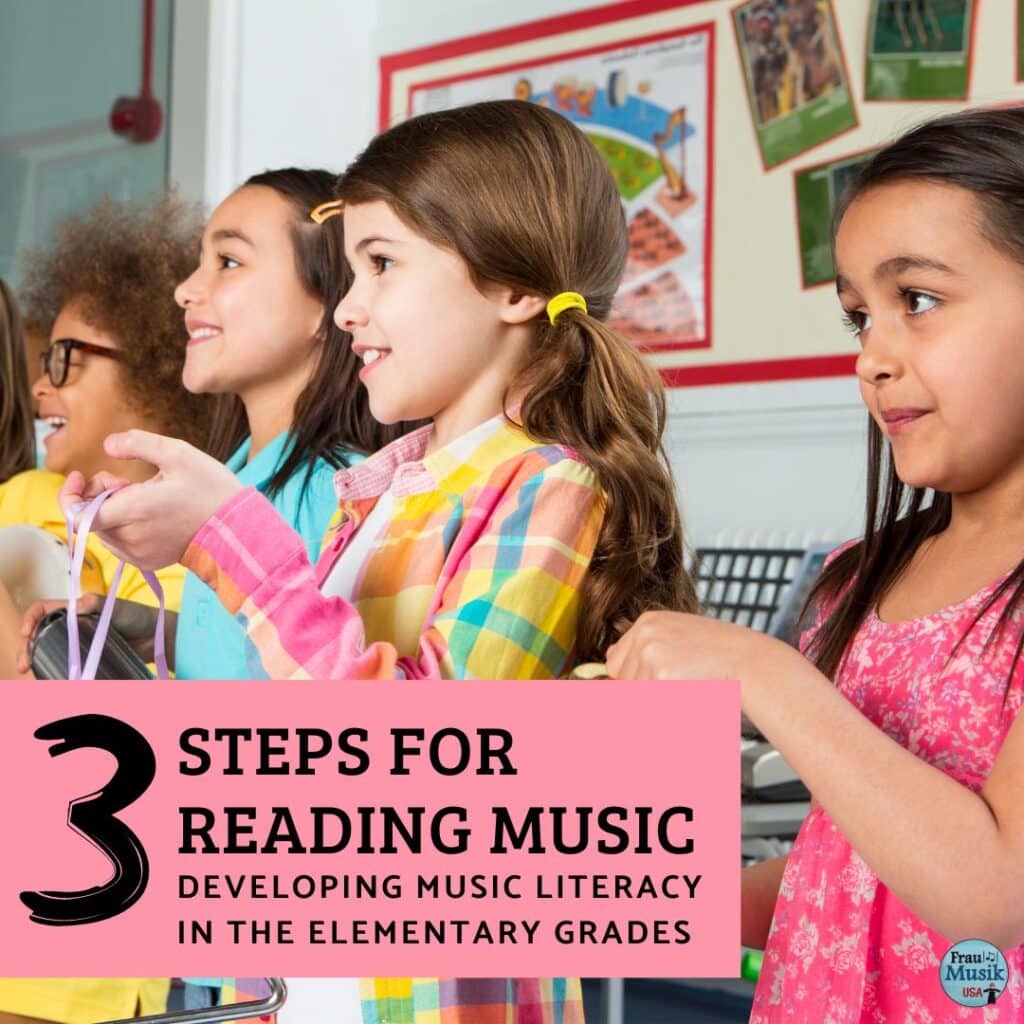
The first steps of teaching music reading are the hardest. Not sure where to start? Take a peek at the posts below.

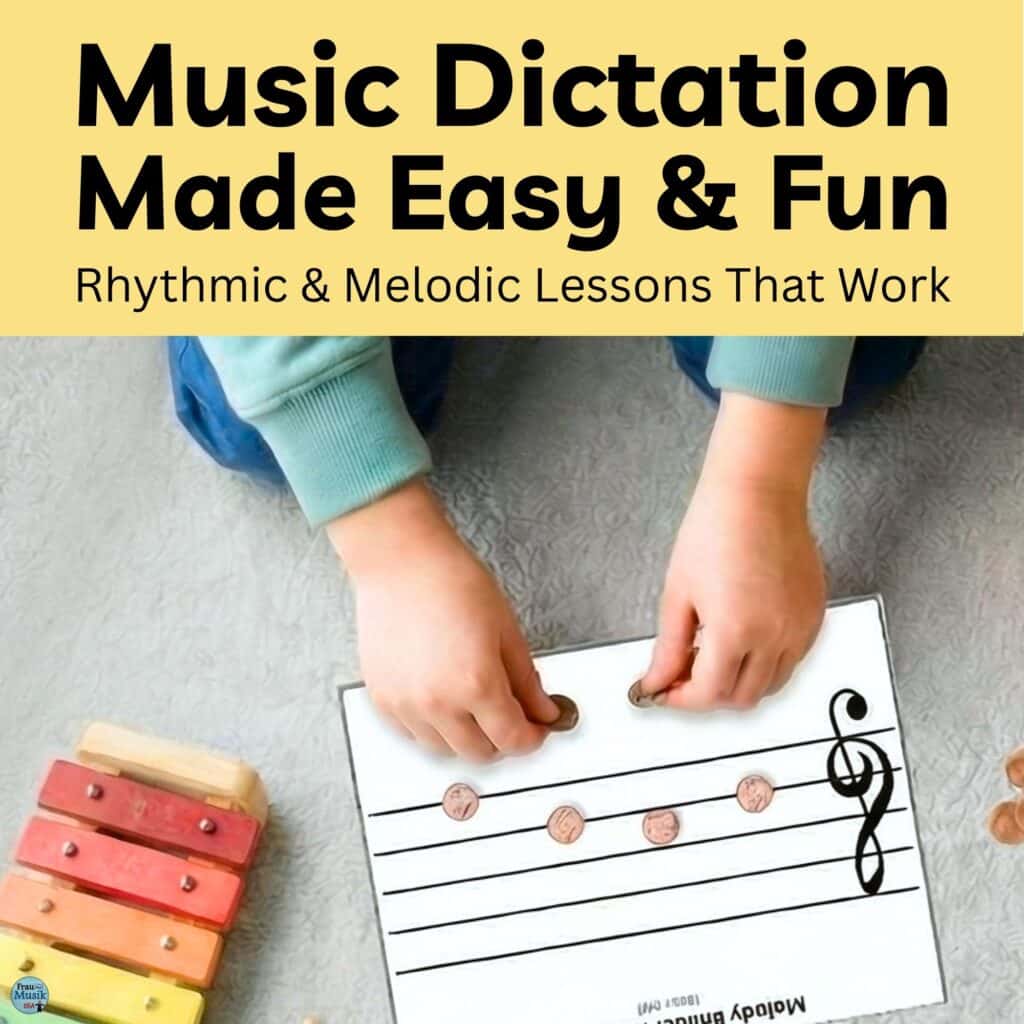
Rhythmic and Melodic Dictation is Fun!

Elementary music students using a treble clef staff and pennies for melodic dictation. Colorful xylophone pictured.
💡 See Ideas

Teaching students to hear, understand, and write music doesn’t have to be complicated.

With a few simple activities and hands-on materials, rhythmic and melodic dictation can become one of the most effective parts of your elementary music lessons.

This post focuses on real classroom activities you can use right away.

Rhythmic and Melodic Dictation in Elementary Music

Seasonal Music Literacy

Timely activities organized by month for easy planning.

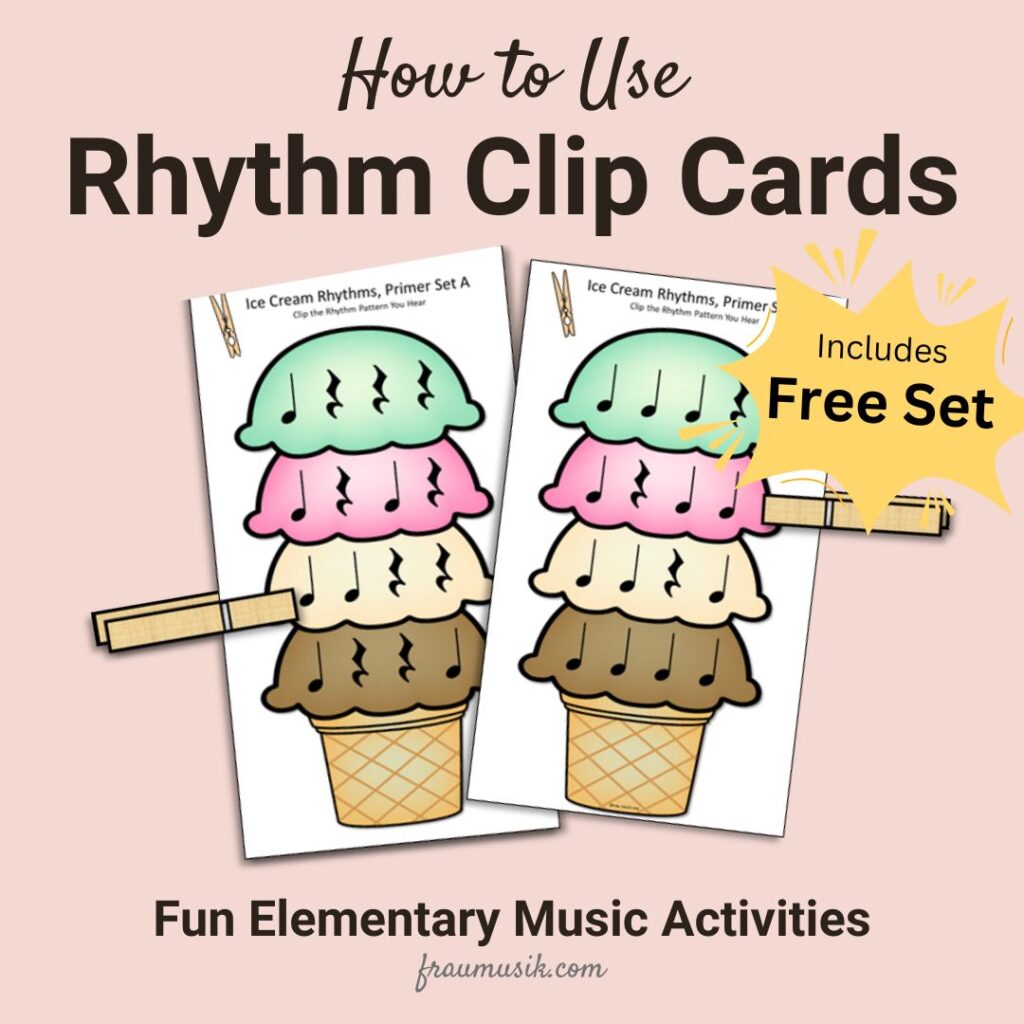
Kids Can Learn to Read Music

Elementary music that teach music reading skills

And music literacy activities can be fun for students and teachers!

The Kodály Mega Bundle includes no-prep, guided lessons that help students read, sing, and perform independently.

See how these lessons support music reading for multiple grades.

Not ready yet?

Get elementary music planning tips and classroom-ready music literacy ideas in my newsletter.