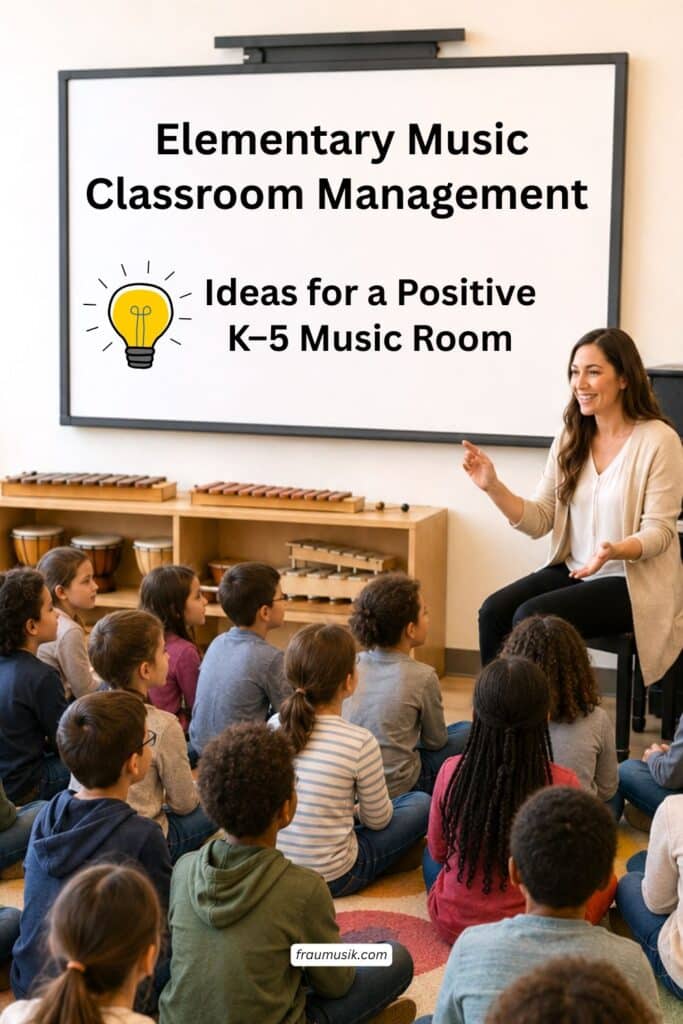
Elementary Music Classroom Management Ideas for a Positive K–5 Music Room
Elementary music classroom management ideas for clear rules, smooth routines, better participation, and a positive K–5 music room.
Some of the links on this site are affiliate links. If you click on a link and make a purchase, I may earn a small commission at no cost to you.
Being an elementary music teacher is a unique kind of exhausting. You aren’t just teaching a subject; you are managing a revolving door of hundreds of kids a week, handing them objects that are literally designed to make loud noises, and being expected to keep them productively active without letting the room devolve into total chaos.
Successful music classroom management isn’t about being mean. It’s about being consistent and predictable. Kids thrive when the entry, seating, instrument handling, and exit routines are practiced often enough that everyone knows what to do.
Clear rules, simple routines, positive participation strategies, and a few well-practiced cues can make your music room feel calmer and more productive.
Use the ideas below to help you build a positive K–5 music room where all students know what to do, how to participate, and how to be successful.
Find the Classroom Management Help You Need:
Every music room has different challenges. Maybe you need clearer rules, smoother transitions, better participation, or a more positive classroom culture.
Start with the section that fits your biggest need right now, then use the linked posts for more ideas and examples.
Need Help Teaching Music Classroom Rules?
Music classroom rules work best when they are simple, clear, and practiced often. Students need to know exactly what the rules look like when they enter the room, sit on the floor, move safely, play instruments, and work with others.
The posts below will help you teach expectations in a way that feels natural in the music room. Instead of spending the whole class talking about rules, you can use rhythm activities, movement, and simple routines to help students practice the behaviors you want to see.

Need Smoother Routines and Transitions for your Elementary Music Classroom?
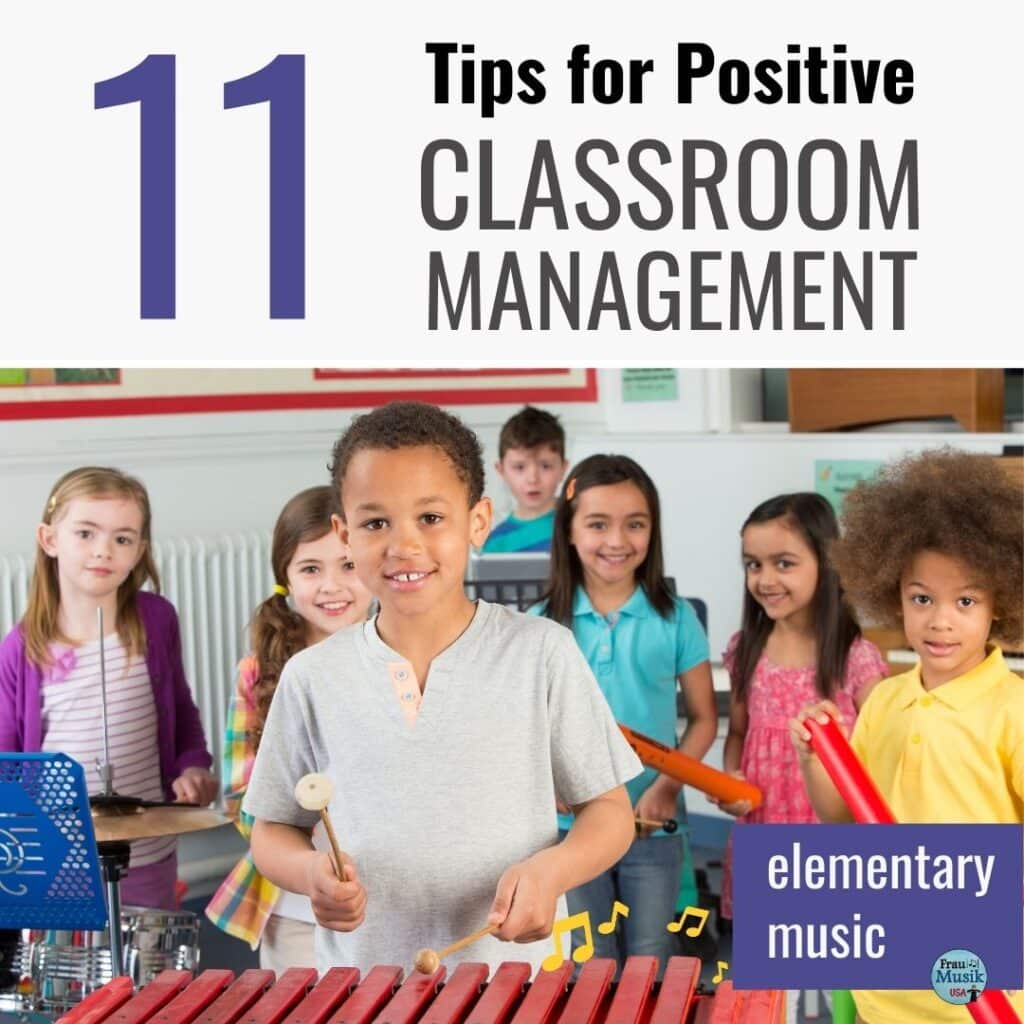
Clear routines help students know what to do next without waiting for repeated directions. When students understand how to enter the room, move to a new activity, handle materials, and line up, your lessons can move more smoothly.
Simple cues, quiet signals, and predictable transitions can save your voice and help students stay focused. The posts below share ideas for managing movement, directions, and student responses without stopping the flow of your music lesson.
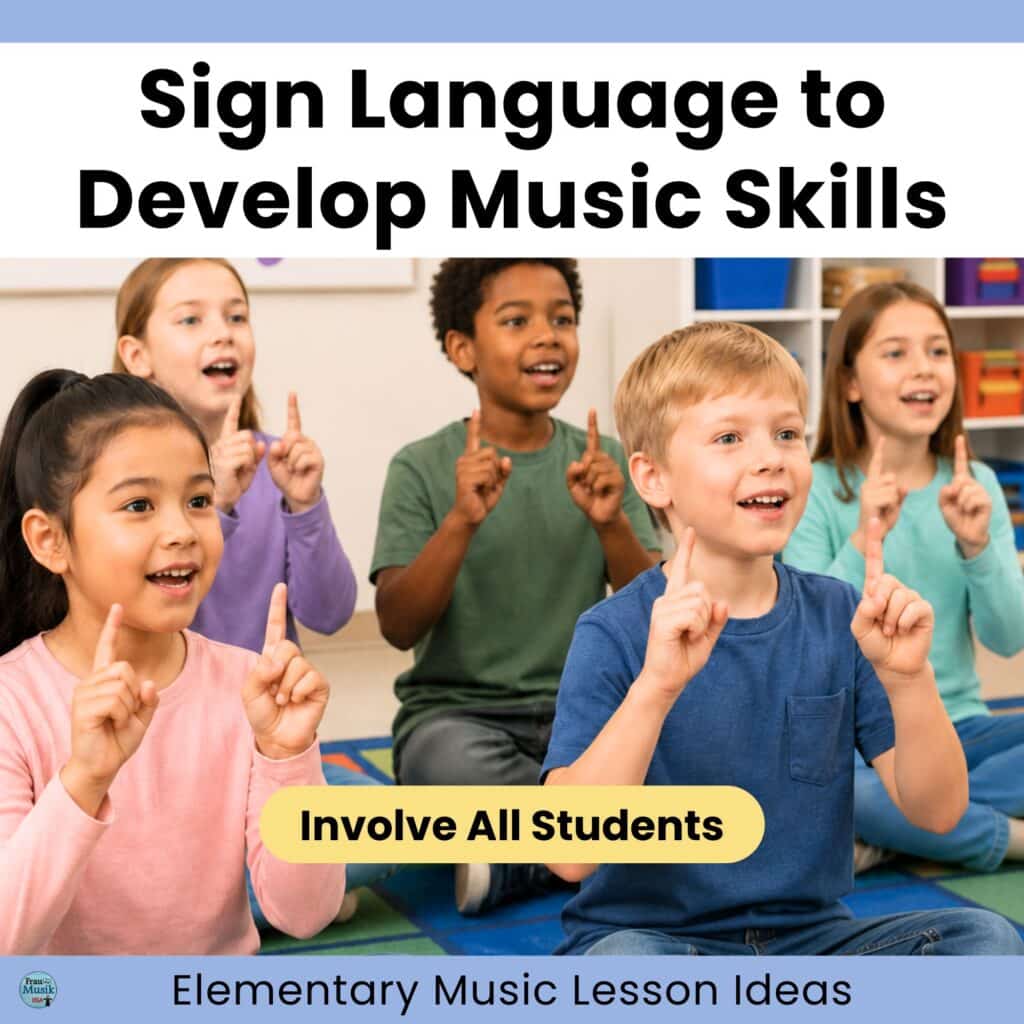
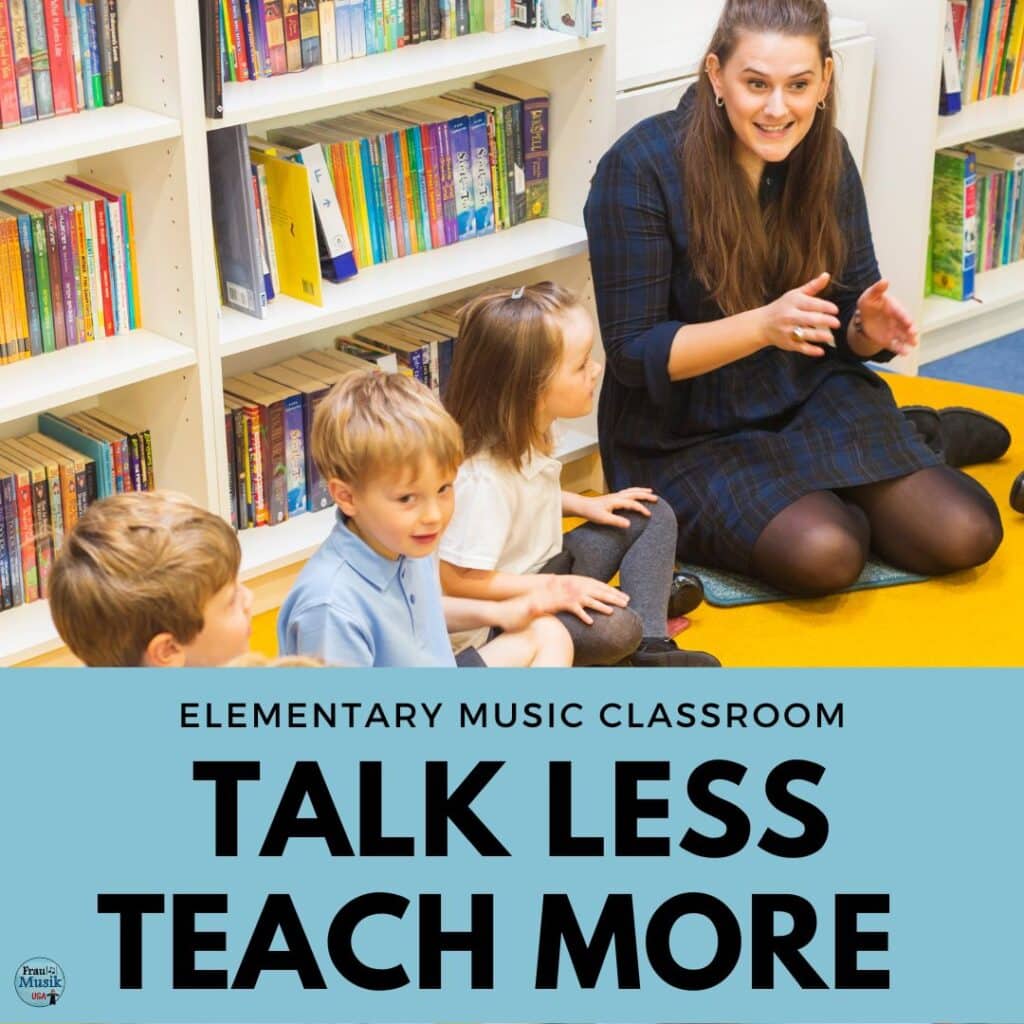
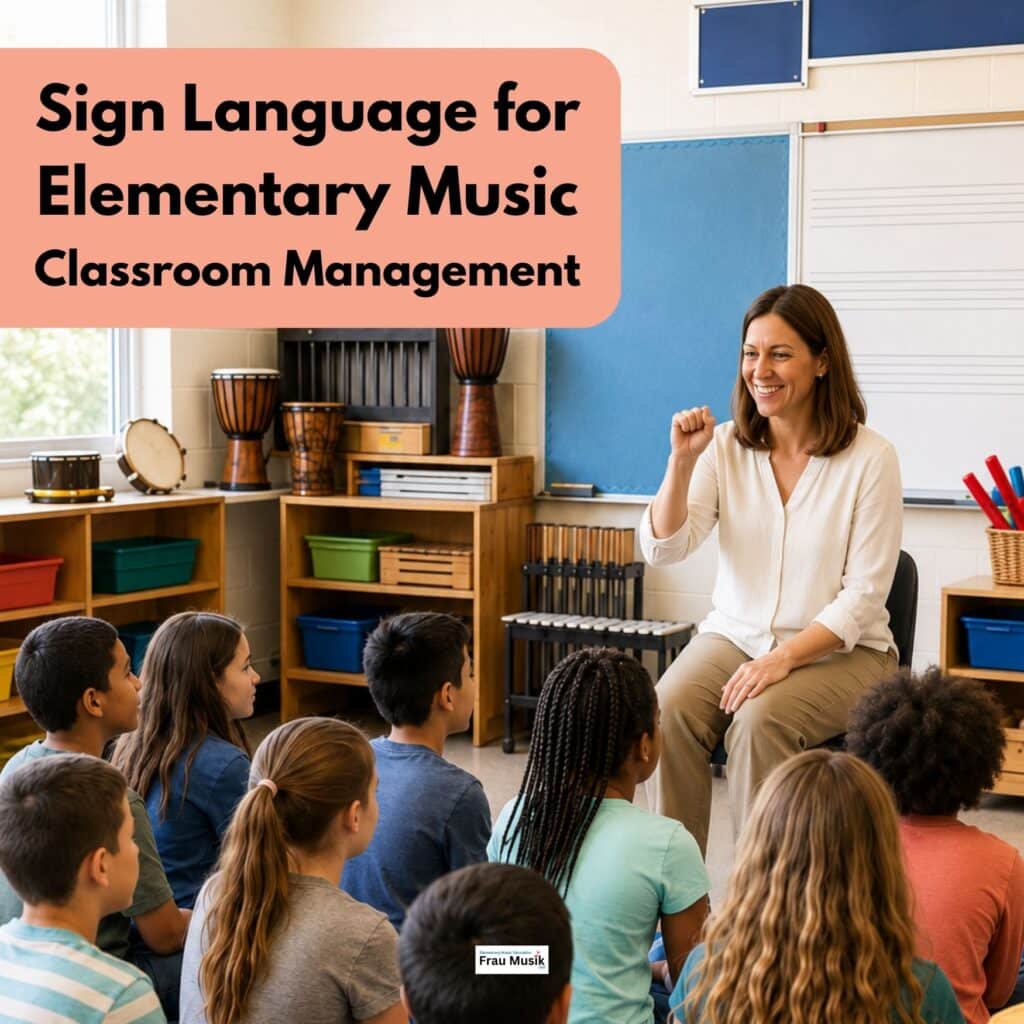
Need More Students Actively Participating?
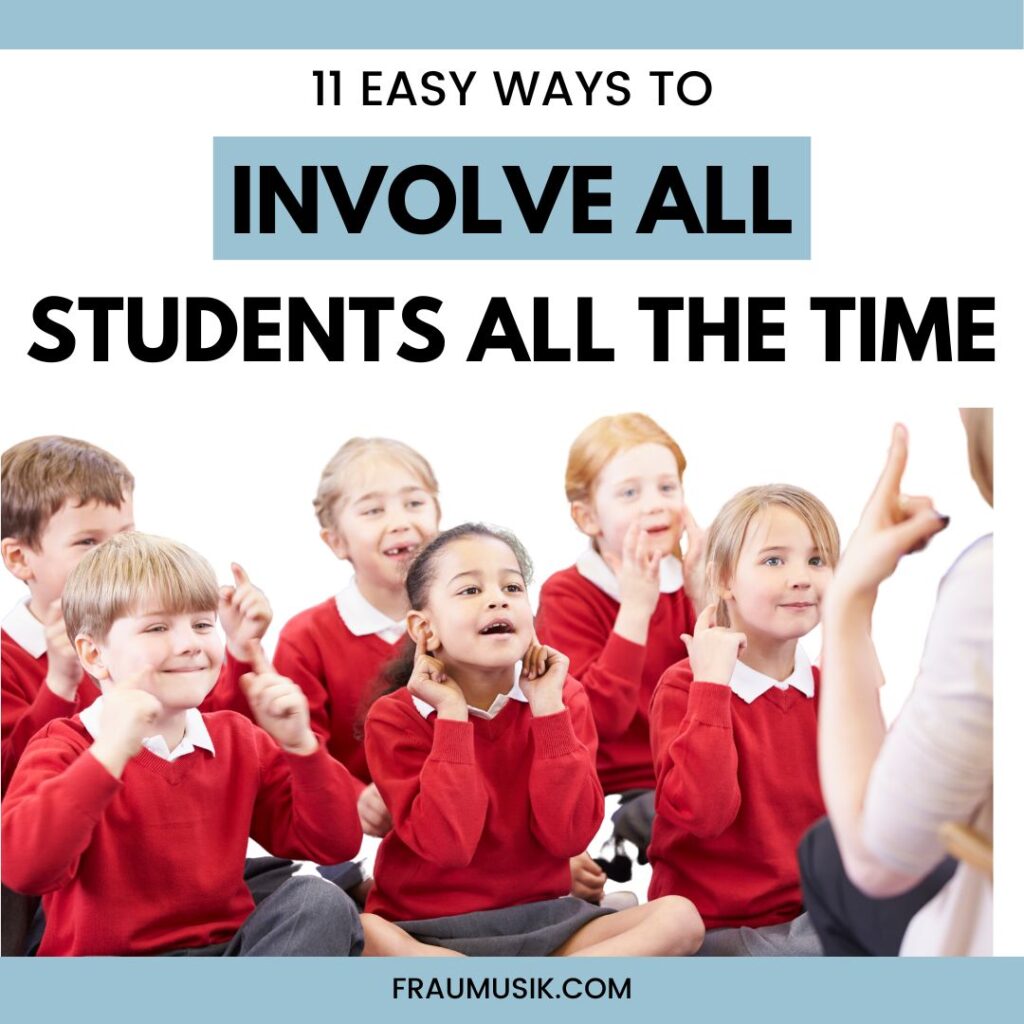
Many classroom management issues improve when students are actively involved. When students are waiting too long, unsure what to do, or watching only a few classmates participate, off-task behavior can happen quickly.
One of the best ways to prevent off-task behavior is to be “uber-prepared” so students are never waiting on you to find materials, fix technology, or decide what comes next. This includes transition times between classes. Quick class hand-offs matter, and teacher conversations should wait until later whenever possible.
Simple response routines, partner activities, movement, and differentiated lessons help more students stay engaged. The posts below share practical ways to keep your K–5 music students participating, learning, and making music.
Music mixer activities are especially helpful at the beginning of the year, but they can be used anytime students need to move, interact, and reconnect with the group.
Need to Build a Positive Music Room Culture?
Classroom management isn’t just about stopping behavior problems. It’s also about creating a music room where students feel noticed, successful, and ready to participate.
Simple recognition, predictable routines, and positive first experiences can help students take ownership of their behavior and their learning. When students know they belong in the music room, they are more likely to listen, participate, and try their best.
The posts below share ideas for celebrating student progress, building classroom community, and protecting your own energy as a teacher.


You Can Create a Positive Elementary Music Room:
You don’t need a complicated classroom management system to create an elementary music room where students can be successful. Start with clear expectations, teach routines through music activities, keep students actively involved, and use simple cues that help your lessons keep moving.
Small routines practiced consistently can make a big difference. When students know what to do, how to participate, and what comes next, your K–5 music classes can feel calmer, more productive, and more joyful for everyone.
Plan Lessons That Help Your Music Room Run Smoothly:
Well-organized, sequential lessons are one of the best classroom management tools you can have. When you know where your lessons are going and students can build on skills they’ve already learned, your classes tend to run more smoothly.
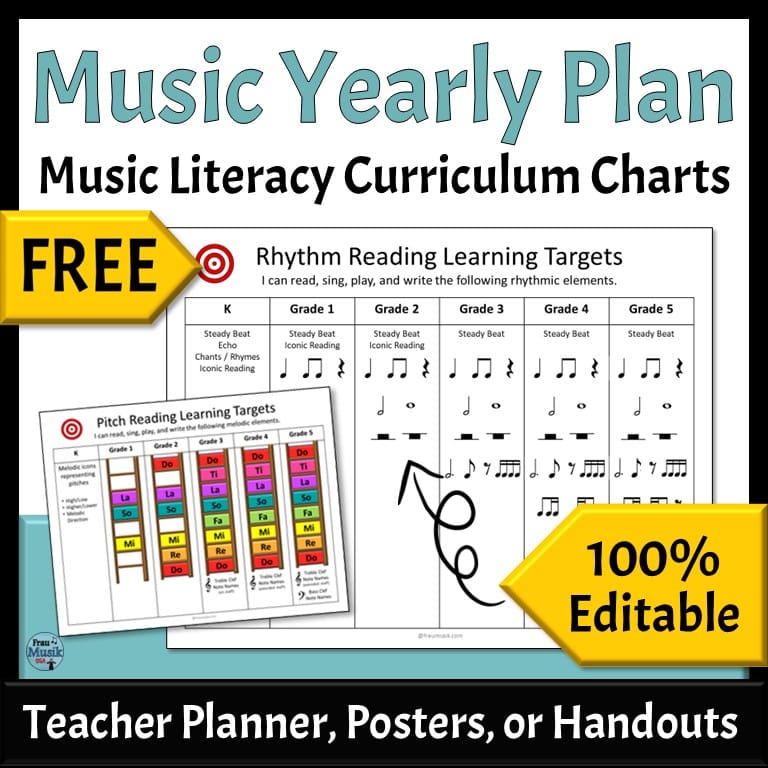
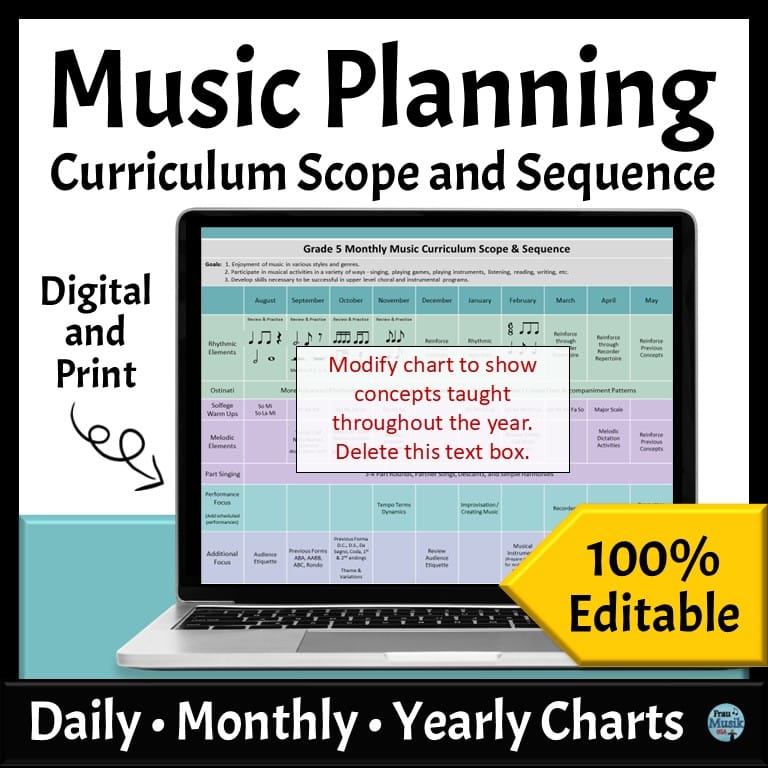
My free K–5 yearly planning templates can help you map out the big picture for your school year. And when you’re ready for a more detailed plan, my K–5 music scope and sequence includes monthly, weekly, and daily planning ideas to help you teach with more confidence and less stress.
Meet the Author

Terri Lloyd is a former K–5 music educator with more than 30 years of experience teaching elementary music.
Her credentials include:
- Bachelor of Music
- Master of Science in Education with an elementary music focus
- Missouri State Teaching Certificate, Vocal and Instrumental Music, Grades K-12
- Kodály Certification Levels I–III
- Instructional Technology Certificate in Curriculum and Design
Through Frau Musik USA, Terri helps elementary music teachers build students’ music literacy and performance skills with practical lessons and activities grounded in real classroom experience.
She develops music curriculum resources, presents music education workshops, works as a church musician, and K–5 Sunday school teacher. Terri also performs with a local big band, pit orchestras, and at community events.